"I still remember writing a penance in school, 200 times, I must speak English!”
My grandmother was a second-generation American, but only spoke a few words of English when she entered school in the tiny Minnesota farm town of St Nicholas. From the feisty spirit in her writing, it clearly wasn't due to a lack of drive. She proved that throughout her life, with a keen, curious mind always wanting to learn more than what was necessary to survive those frigid Minnesota winters and endless summer days working on the farm. And proved that with many daughters – my mom included – who were drawn to careers in teaching.
At home in the early 1920s, my grandmother’s parents spoke two different languages; neither of them English. “Dad and Mom spoke different types of Luxembourgish. Dad’s family came from near France, and he had French words mixed in.”
On her first day of school, the learning continued from inside the classroom to outside during recess. Many of the other kids only spoke German, and others only Low German. I can imagine a circle of blank stares until they finally segregated into their own language groups.
But they were all children of farmers in central Minnesota; their parents or grandparents from Europe, growing the same crops and raising the same livestock. And cooking many of the same dishes they had learned to love in their new homeland. Probably even pumpkin pie.
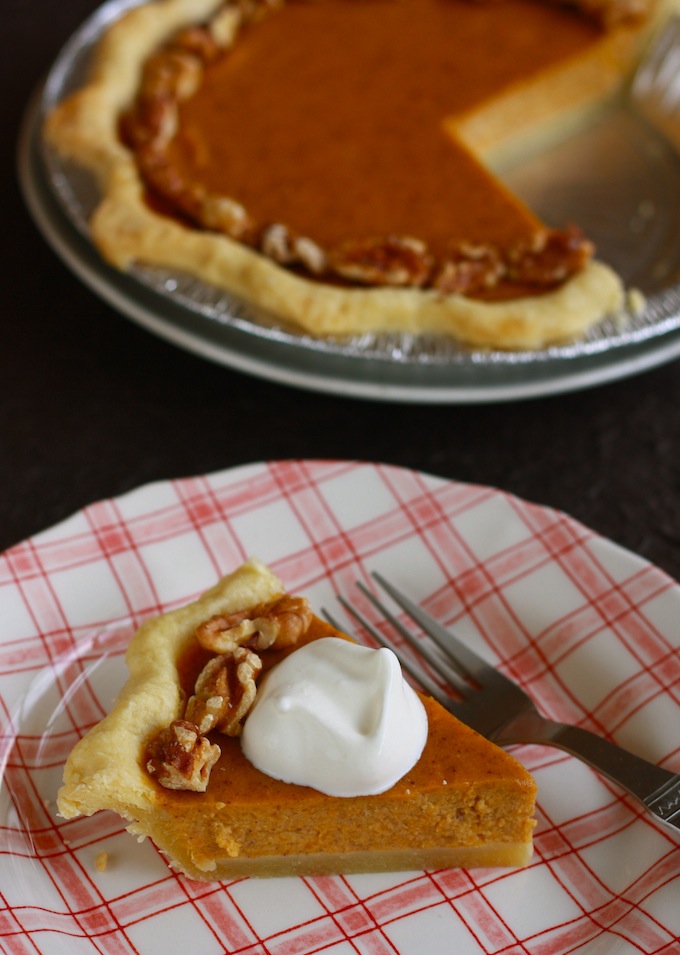
Before many Americans could even speak English, they could make pumpkin pie. The symbol of fall could transcend any language barrier to bring people together.
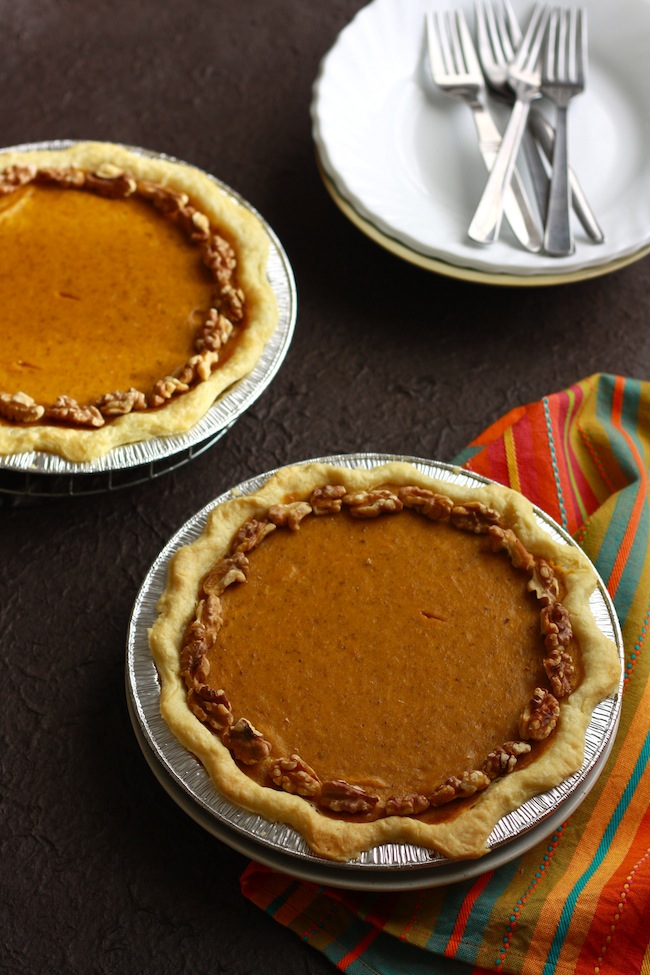
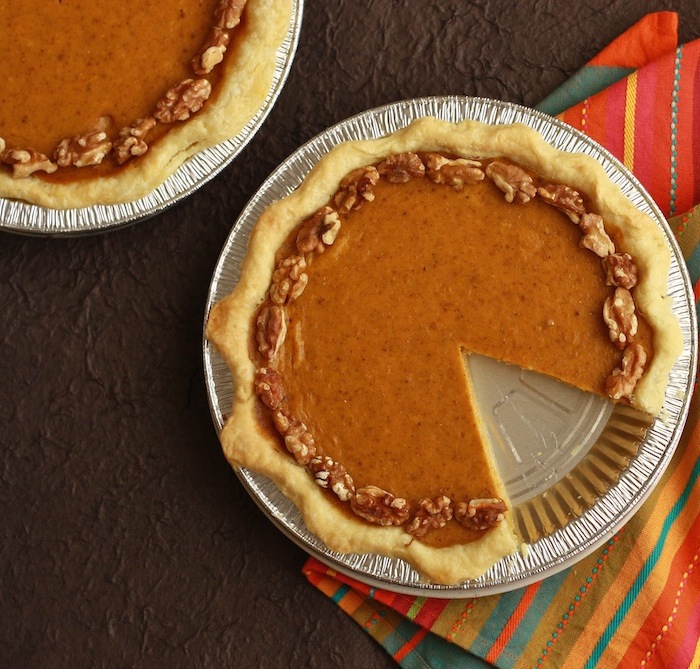
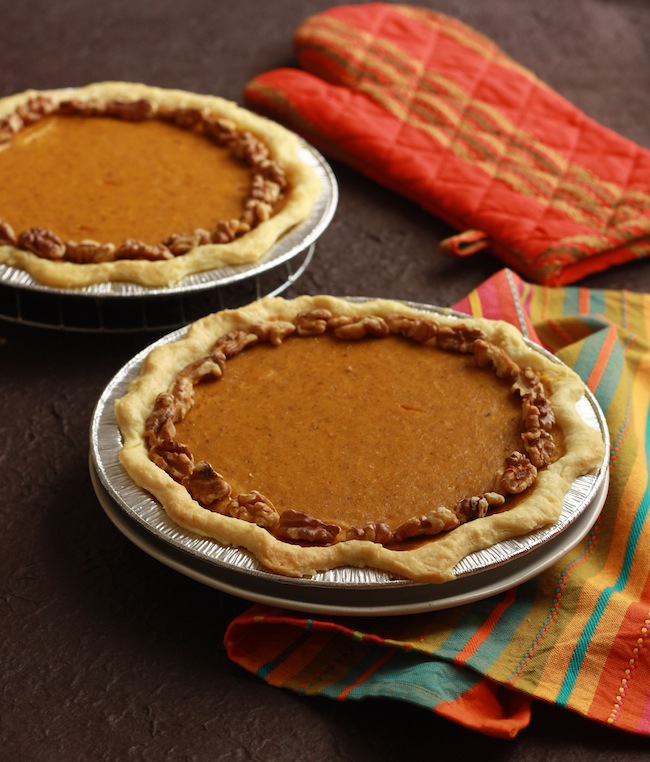
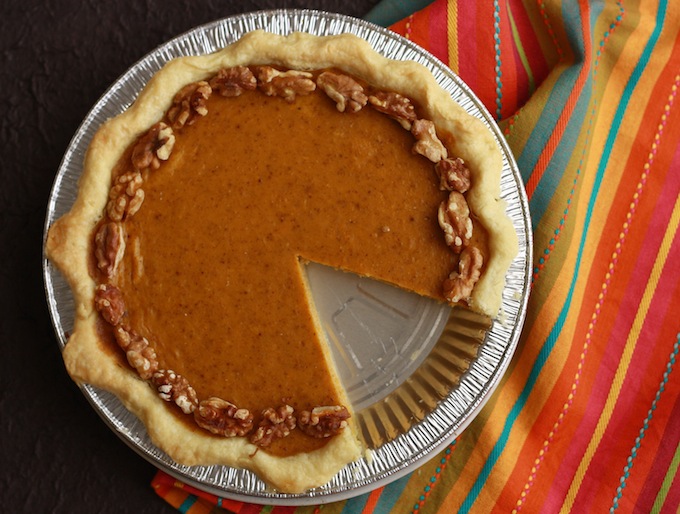
I’m not sure when my family started baking pumpkin pies, but my grandmother always made an amazing Brazil nut or walnut pumpkin pie. She recorded the Brazil nut version down as a recipe she learned in the late 1930s when working as a maid for the Wenner family. But I like to think that maybe my great-grandmother – speaking in her own Luxembourg dialect - taught my grandma a simple pumpkin pie recipe in the wooden farmhouse in St. Nicholas where she was born.
My grandmother wrote about her father trying his best to hold onto the languages and culture of Luxembourg in the house, but once the kids started school, German words trickled in. Then English. For a few years, the number of languages spoken between them probably morphed into a single language, a sort of family language only understood within their house. “I’m sure this goes a long way in explaining why Dad and Mom raised such a bunch of crazy mixed up kids.”
I can imagine the smile on my grandmother’s face when she wrote that. The type of smile she always wore, one that accompanies a person with a humorous look at life to see them through the hard times. The same smile she spotted on a handsome farmer in the early 1940s. The same smile they both would carry through a November wedding, and through February blizzards, August droughts, and autumn seasons of 14 children finishing the pumpkin pie before they even lifted a fork.
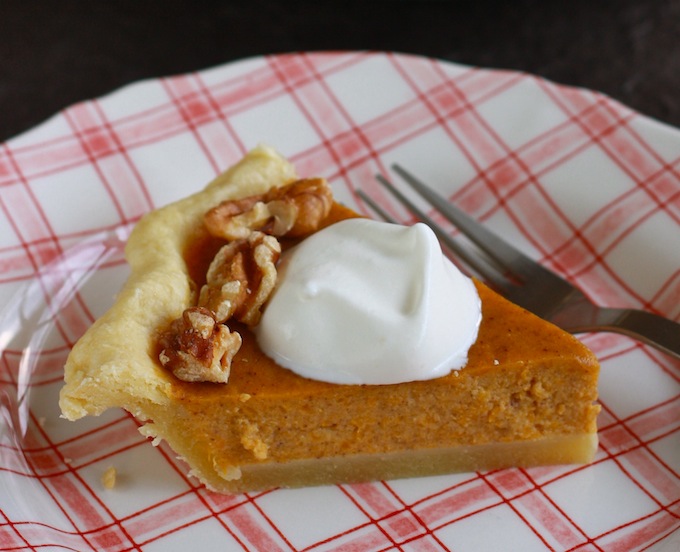
Brazil Nut Pumpkin Pie adapted from Grandma's Recipes
Makes one pie (in standard 9 inch pie pan)
What you’ll need:
1 pie crust
1.5 cups of pumpkin (fresh or canned)
2 eggs
1/2 cup of brown sugar
1 tsp of Season with Spice's Vietnamese Cinnamon
1/4 tsp of Season with Spice's Ginger Powder
A pinch of Season with Spice's Nutmeg Powder, optional
1/2 tsp salt
1 cup milk
1/2 cup heavy cream
1/2 cup sliced Brazil nuts (or chopped walnuts or pecans)
Process:
1. If making your own pie crust, make the pie dough and refrigerate for 30 minutes.
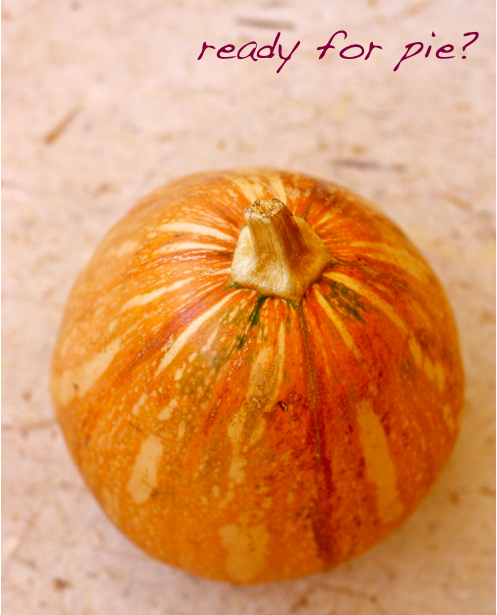
2. If using fresh pumpkin, clean out the pumpkin, remove the skin, cut pumpkin into cubes, and cook over the stove in covered pot, along with two tablespoons of butter. Once the pieces are softened, remove from stove and mash in a metal bowl. Set aside to cool.
3. Remove the pie dough from the refrigerator and form the pie crust. Place pie crust on standard 9 inch pie pan and refrigerate while preparing the pumpkin pie mix.
4. Preheat oven to 400F (200C)
5. Add all the ingredients - except Brazil nuts - in with the pumpkin, and stir well (it's very important that the pumpkin has cooled to the touch before adding in the eggs, since the eggs could cook and ruin the pie). The mix will be runny - that's perfectly fine.
6. Pour mix onto the pie crust, and fill almost to the top edge (1/8 inch from the top).
7. Bake pie at 400F (200C) for 10 minutes, then reduce heat to 325F (160C) and bake 30 minutes longer. Finally, sprinkle nuts on top of pie and bake for another five minutes. Remove pie and let cool for 30 minutes before serving. Try topping it with homemade sugarless vanilla whipped cream!
Makes one pie (in standard 9 inch pie pan)
What you’ll need:
1 pie crust
1.5 cups of pumpkin (fresh or canned)
2 eggs
1/2 cup of brown sugar
1 tsp of Season with Spice's Vietnamese Cinnamon
1/4 tsp of Season with Spice's Ginger Powder
A pinch of Season with Spice's Nutmeg Powder, optional
1/2 tsp salt
1 cup milk
1/2 cup heavy cream
1/2 cup sliced Brazil nuts (or chopped walnuts or pecans)
Process:
1. If making your own pie crust, make the pie dough and refrigerate for 30 minutes.
2. If using fresh pumpkin, clean out the pumpkin, remove the skin, cut pumpkin into cubes, and cook over the stove in covered pot, along with two tablespoons of butter. Once the pieces are softened, remove from stove and mash in a metal bowl. Set aside to cool.
3. Remove the pie dough from the refrigerator and form the pie crust. Place pie crust on standard 9 inch pie pan and refrigerate while preparing the pumpkin pie mix.
4. Preheat oven to 400F (200C)
5. Add all the ingredients - except Brazil nuts - in with the pumpkin, and stir well (it's very important that the pumpkin has cooled to the touch before adding in the eggs, since the eggs could cook and ruin the pie). The mix will be runny - that's perfectly fine.
6. Pour mix onto the pie crust, and fill almost to the top edge (1/8 inch from the top).
7. Bake pie at 400F (200C) for 10 minutes, then reduce heat to 325F (160C) and bake 30 minutes longer. Finally, sprinkle nuts on top of pie and bake for another five minutes. Remove pie and let cool for 30 minutes before serving. Try topping it with homemade sugarless vanilla whipped cream!