Open Sesame!
When Ali Baba uttered this now famous phrase, to enter the cave full of hidden treasures, it most certainly related to the characteristic of sesame seed pods 芝麻 bursting open when mature. But the comparison in the story of treasure and the tiny seed also alluded to the importance of the spice in Middle Eastern culture.
5,000 years ago, the Assyrians were already using the seeds for oil and wine, and believed the gods drank sesame wine the night before they created the earth. In the Middle East now, white sesame seeds are primarily used in making tahini – a ground sesame seed paste used as an ingredient in many local dishes.
In Western culture, you’ll most likely find the white seeds on baked goods, like breads and bagels. And of course on top of hamburger buns made famous by one of the biggest purchasers of sesame seeds in the world – McDonalds.
In the Far East, where white & black sesame seeds are most commonly used, you will find them in both savoury and sweet dishes. Can you imagine Chinese cooking without sesame oil and seeds?
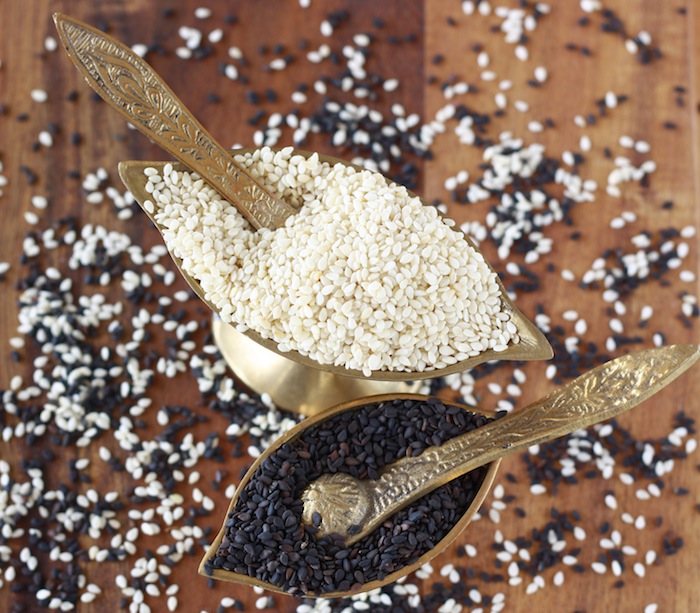 |
White (Hulled) & Black (Unhulled) Sesame Seeds
|
Packed with nutrients such as Vitamins B1 & E, calcium, and iron, sesame seeds - from the pod of the tropical sesame plant - have a pleasant, oil-rich, nutty flavour. The taste is enhanced when toasted, but unfortunately, the high concentration of healthy fats (polyunsaturated fats) are damaged when the seeds are heated. A good reason to toss the seeds on any dish, after cooking.
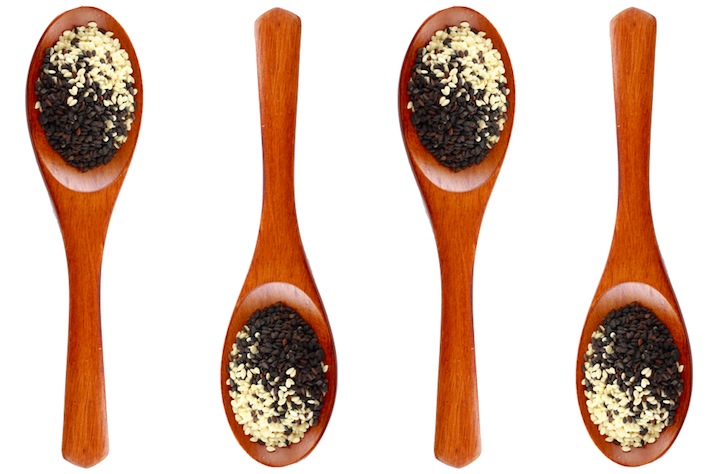
Sesame seeds vary in color, but are generally sold in white or black form. The white seeds are usually sold hulled (the very thin, edible outer shell removed), like you would find on top of hamburger buns. Black sesame seeds, primarily used in Asia, are black from the hull itself (the seed inside is white), so they are always sold in unhulled form, and are therefore slightly crunchier. No matter what color, the seeds are from the same tropical plant and taste almost identical.
The two most important words to remember about sesame seeds? Simple & Dynamic. Add them as a cooking ingredient to any dish, or place them next to the salt and pepper shakers, and sprinkle the seeds on top of a cooked meal for additional taste, texture, and look.
Actually, there are two words even more important to remember – which Ali Baba’s greedy, older brother forgot when he tried to leave the cave full of treasures (and was subsequently chopped up into four pieces) –
Close Sesame!
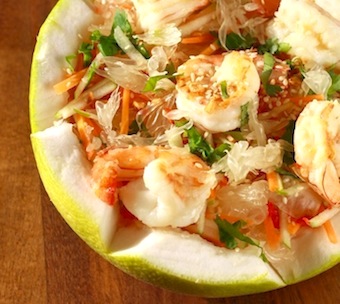
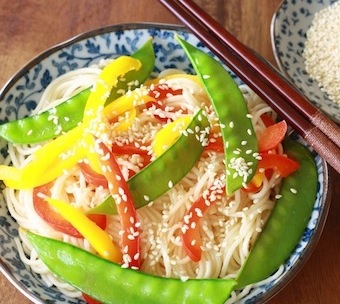
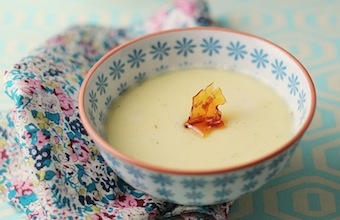
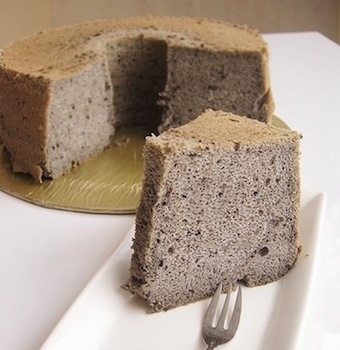
For a taste of sesame seeds, try one of these excellent recipes:
|
|

|
|

|
|