Have you ever tried Cinnamon?
Of course you have. There’s probably a bottle of ground cinnamon in your kitchen cupboard right now. Maybe you sprinkle it on your coffee or spoon it into your cookie batter, or even into your curry.
But is that real “cinnamon”?
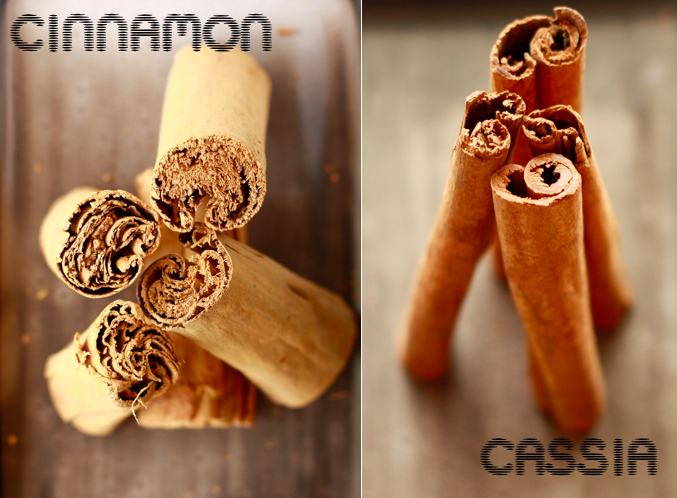
If you’re living in the US, it’s probably not. That bottle you have marked “Ground Cinnamon” is most likely another similar spice called Cassia, which is so closely related to cinnamon that we consider it one in the same. There are a few types of cassia, all nicknamed a type of cinnamon - Indonesian cinnamon (C. Burmannii), Chinese cinnamon (C. Cassia), and Vietnamese cinnamon (C. Loureiroi)
So where does true cinnamon come from?
In ancient times, Arab traders kept the source of cinnamon a secret, concocting extraordinary stories of giant birds in Arabia that built their nests from these mysterious cinnamon sticks, and that brave men had to risk their lives to collect the sticks by climbing up to the cliff hanging nests. The more fantastic the story they told, the higher the price they charged.
To many of us, the source remains as much a secret now as it did then.

“Ceylon cinnamon” is true cinnamon (Cinnamomum verum). It’s the inner bark of a small evergreen tree that originates from Sri Lanka - formerly called Ceylon. The more expensive Ceylon cinnamon has a mild, delicate flavor, which makes it ideal for desserts where the spice plays a supporting role in the dish.
But for most of us, mild is not what we want in cinnamon. That's why cassia is so popular. Cassia has a higher oil content than cinnamon, giving it a much sweeter, spicier, and more pungent flavor. The hard, recognizable cassia stick – which consists of both the outer and inner bark of the cassia tree – is more suitable for savory dishes like curry, and when you want a dominating flavor in desserts like cinnamon rolls.
Who can tell the difference anyway?
While Americans add in cassia by the spoonful in breakfast and dessert dishes, across the border, Mexicans enjoy Ceylon cinnamon in many of their local dishes and sweets - the best one, a perfect match of chocolate and Ceylon cinnamon.
But not one cinnamon is better than the other - just more appropriate depending on the recipe:
| Indonesian Cinnamon | balanced, familiar – the sweet cinnamon that mom and grandma used to add into their baked goodies |
| Ceylon Cinnamon |
mild, delicate – when you want that cinnamon flavor to melt into the dessert and not overpower the other spices |
| Vietnamese Cinnamon | spicy, sweet, intense – for those who love the spice and want every bite of a dessert to scream cinnamon |
The only way to appreciate the differences is to taste them all. Shop for Vietnamese cinnamon, Indonesian cinnamon, and Ceylon cinnamon here on Season with Spice (each offered in stick or ground form).

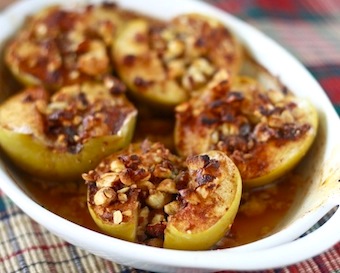
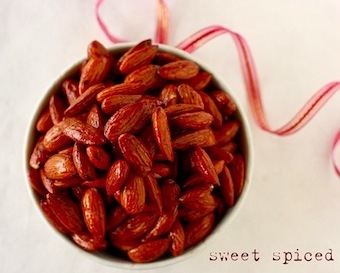
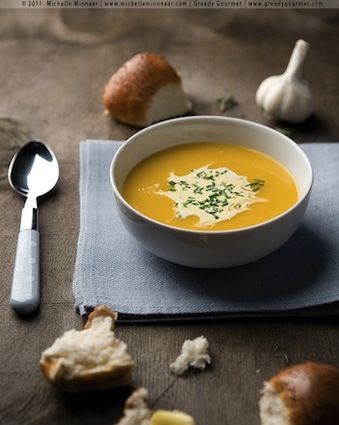
Once you have your cinnamons on hand, test them in these excellent recipes:
|
|


|
|
|
|